Kate Walton

How to improve PCR amplification efficiency

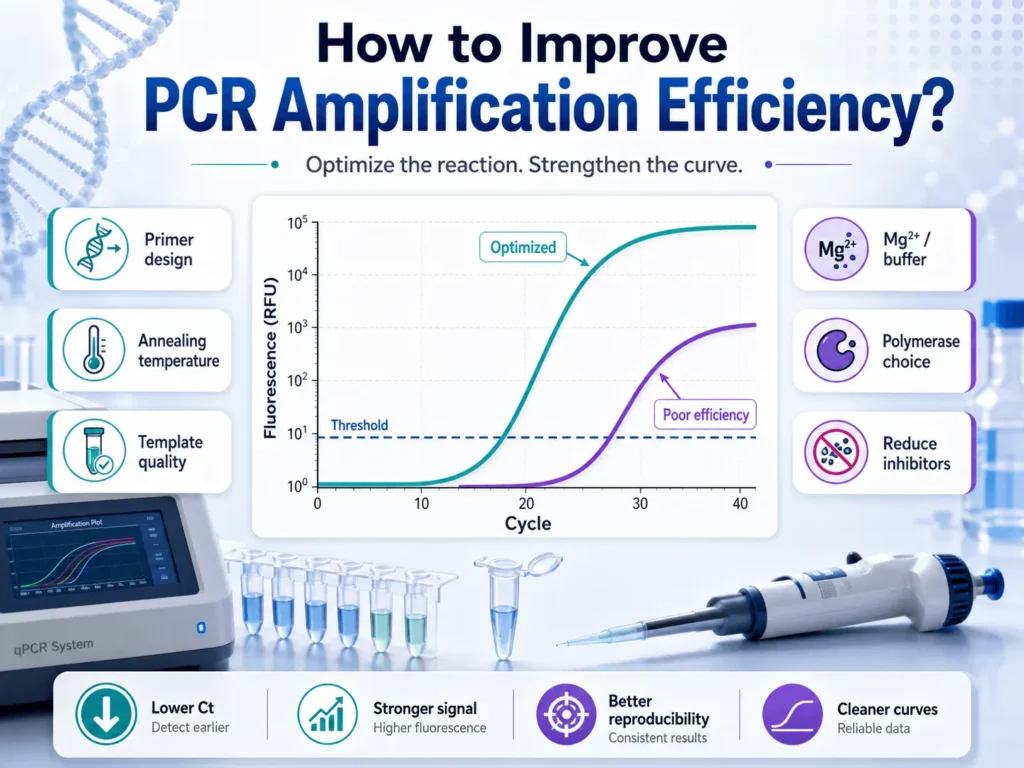
How to improve PCR amplification efficiency?

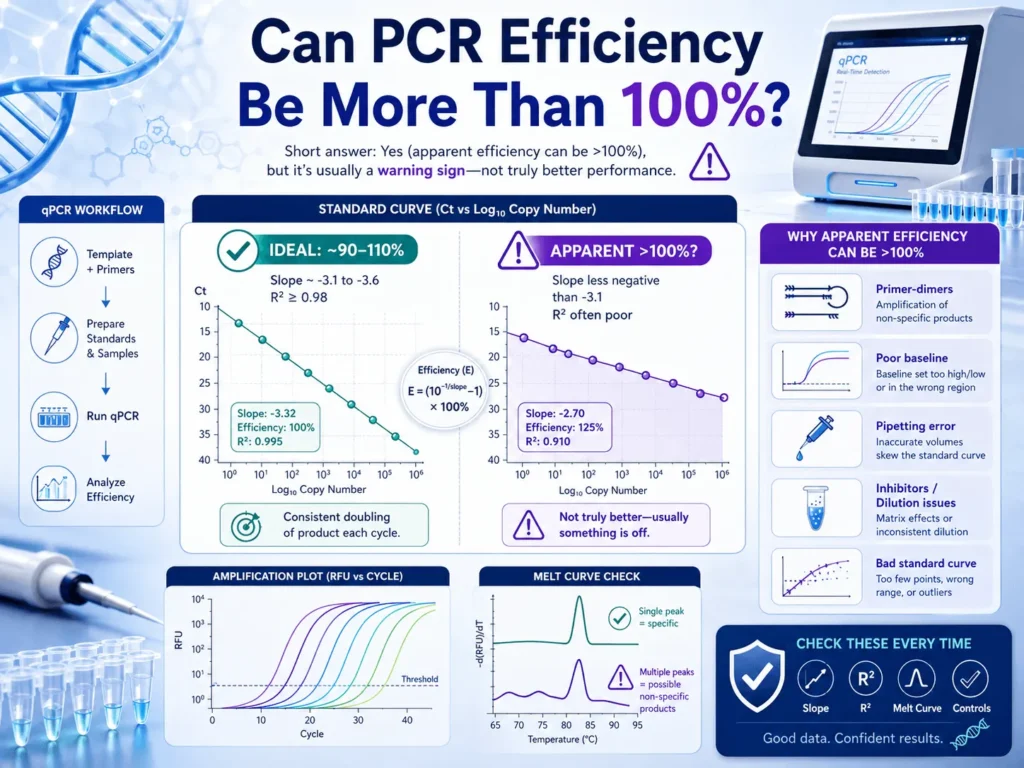
How Can You Improve PCR Amplification Efficiency? Poor PCR amplification efficiency can turn a carefully planned experiment into a week of weak bands, late Cq values, and confusing repeat runs. The good news is that the cause is usually traceable. Primer design, template purity, annealing temperature, magnesium levels, inhibitors, and pipetting errors are among the

How to improve PCR amplification efficiency? Read More »

How to Troubleshoot PCR Common Problems, Causes, and Fixes

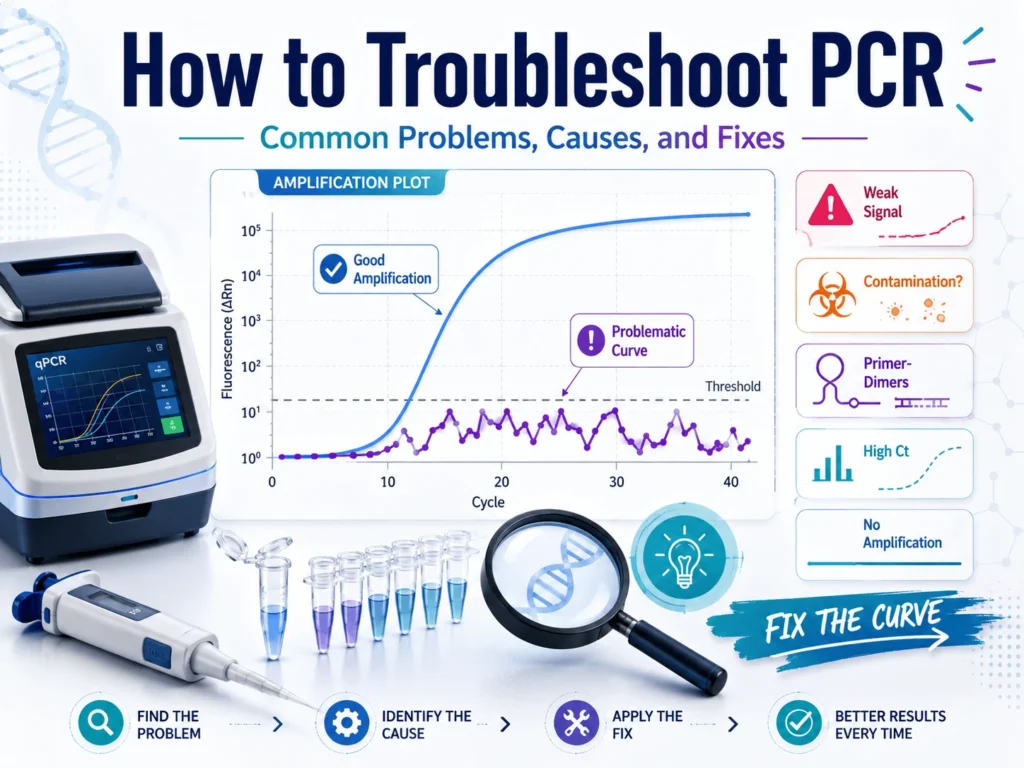
How to Troubleshoot PCR: Common Problems, Causes, and Fixes

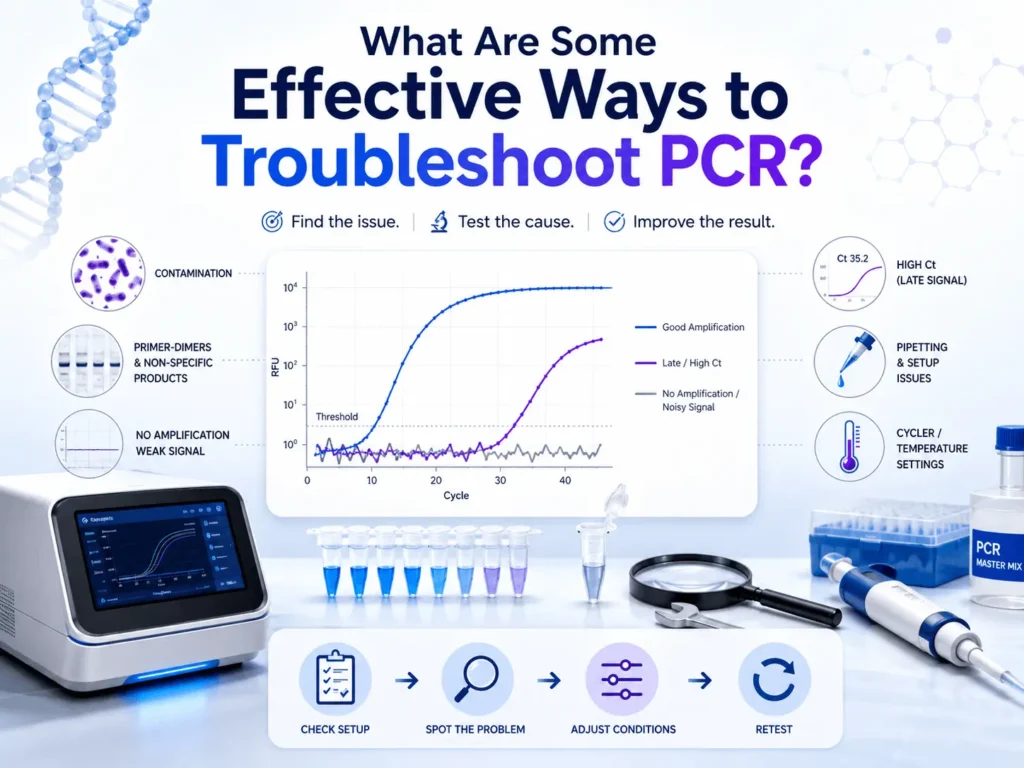
How Do You Troubleshoot PCR Failures Step by Step? PCR troubleshooting works best when you connect the visible problem to one part of the reaction. No band may point to poor template quality, inactive polymerase, missing reagents, or unsuitable cycling temperatures. Extra bands often suggest weak primer specificity or an annealing temperature that is too

How to Troubleshoot PCR: Common Problems, Causes, and Fixes Read More »

What Causes Jagged PCR Amplification Curves

What Causes Jagged PCR Amplification Curves?

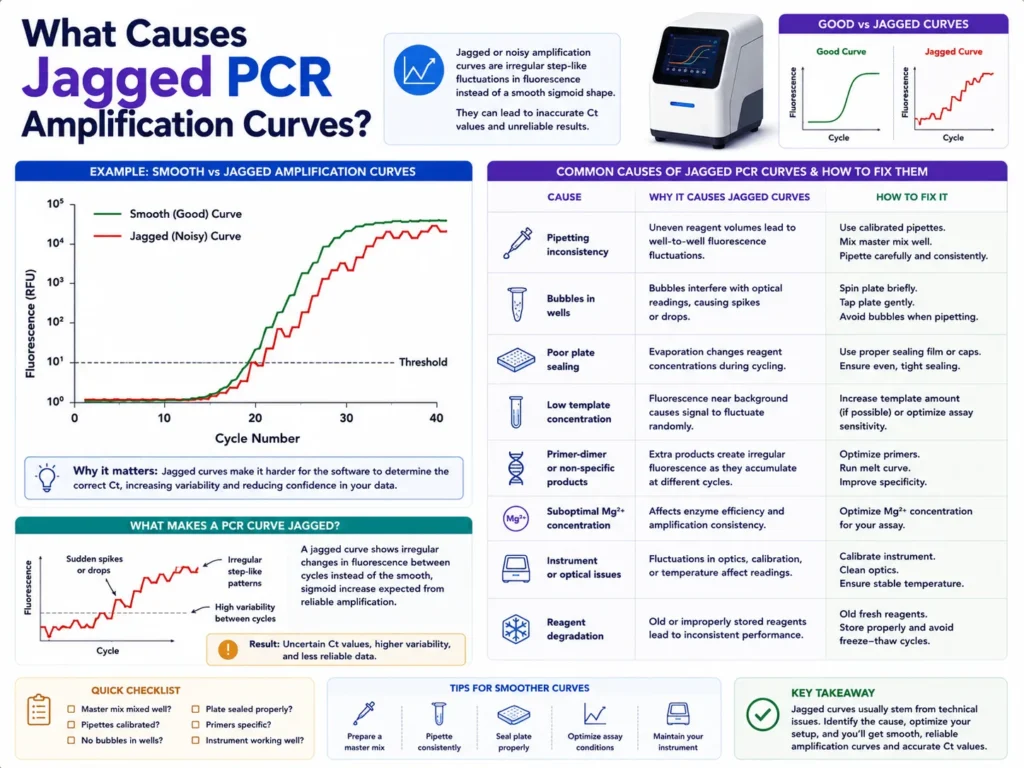
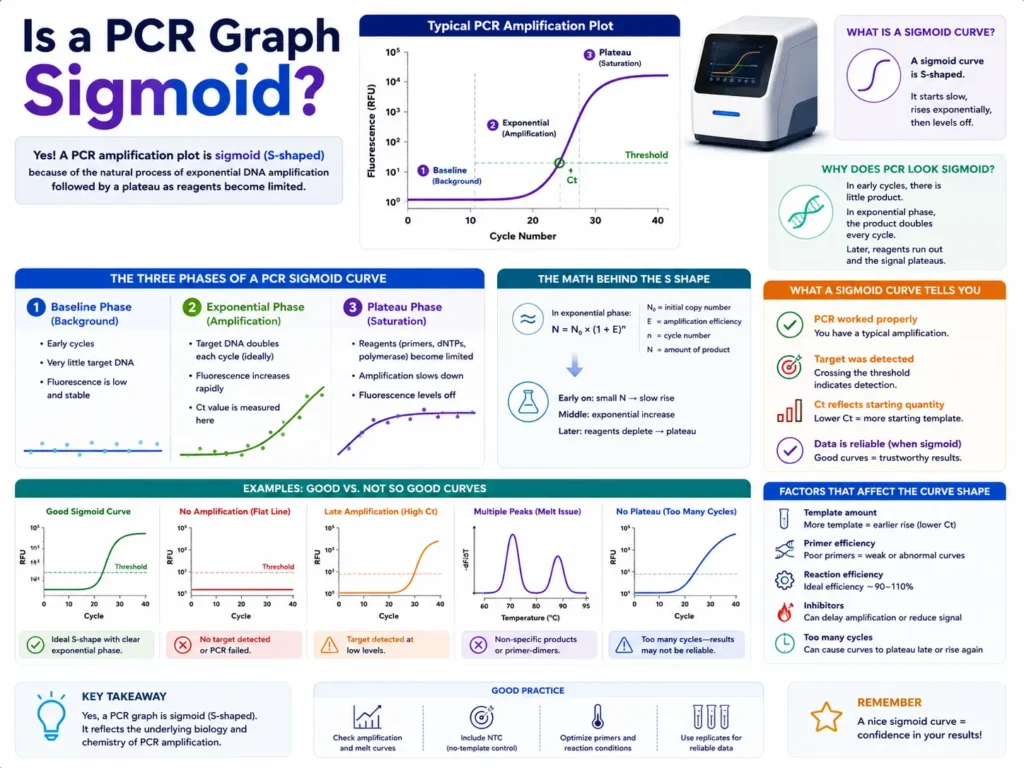
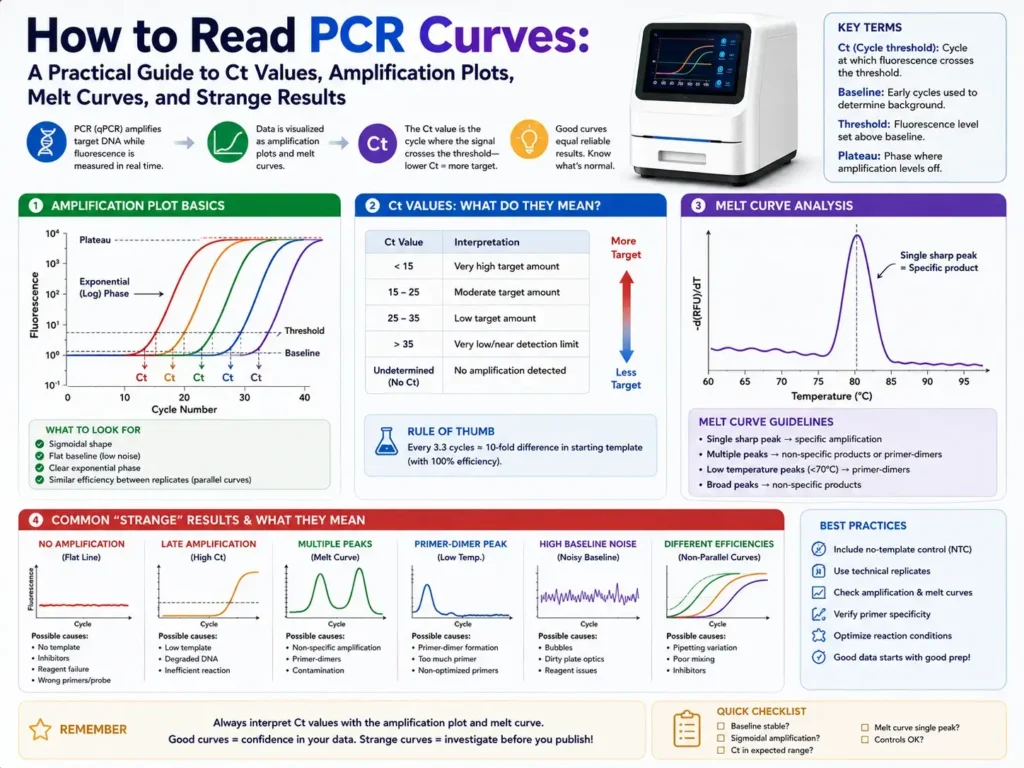
Why Do PCR Amplification Curves Look Jagged? Jagged PCR amplification curves usually appear when fluorescence readings fluctuate from one cycle to the next instead of forming a smooth, rising S-shaped line. Air bubbles, poor plate sealing, evaporation, inconsistent pipetting, optical interference, weak fluorescence, low template levels, reaction inhibitors, and incorrect baseline settings are among the

What Causes Jagged PCR Amplification Curves? Read More »