Kate Walton

Different Types of PCR Curves

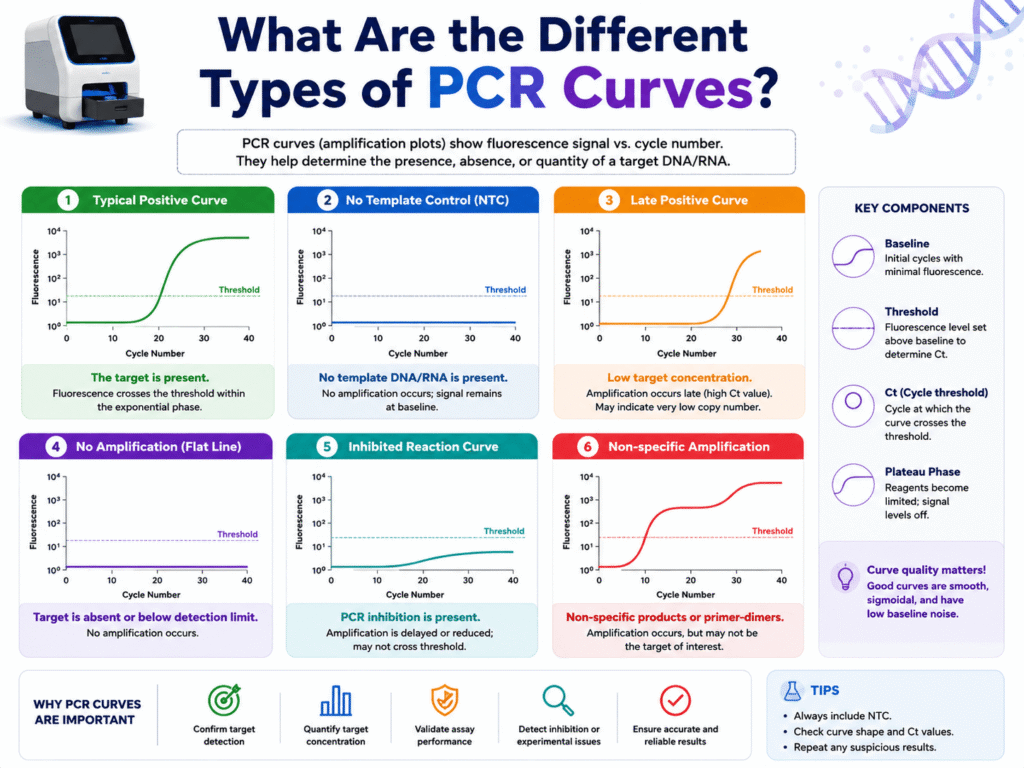
What Are the Different Types of PCR Curves?

What are the main PCR curve types? PCR curves are graphical patterns that show how DNA or RNA targets behave during amplification, melting, or quantification. The main types include amplification curves, baseline curves, exponential curves, linear or log-linear curves, plateau curves, melt curves, derivative melt curves, standard curves, and abnormal curves such as late, flat,

What Are the Different Types of PCR Curves? Read More »

Why Is Sample Preparation Important in Sequence Detection

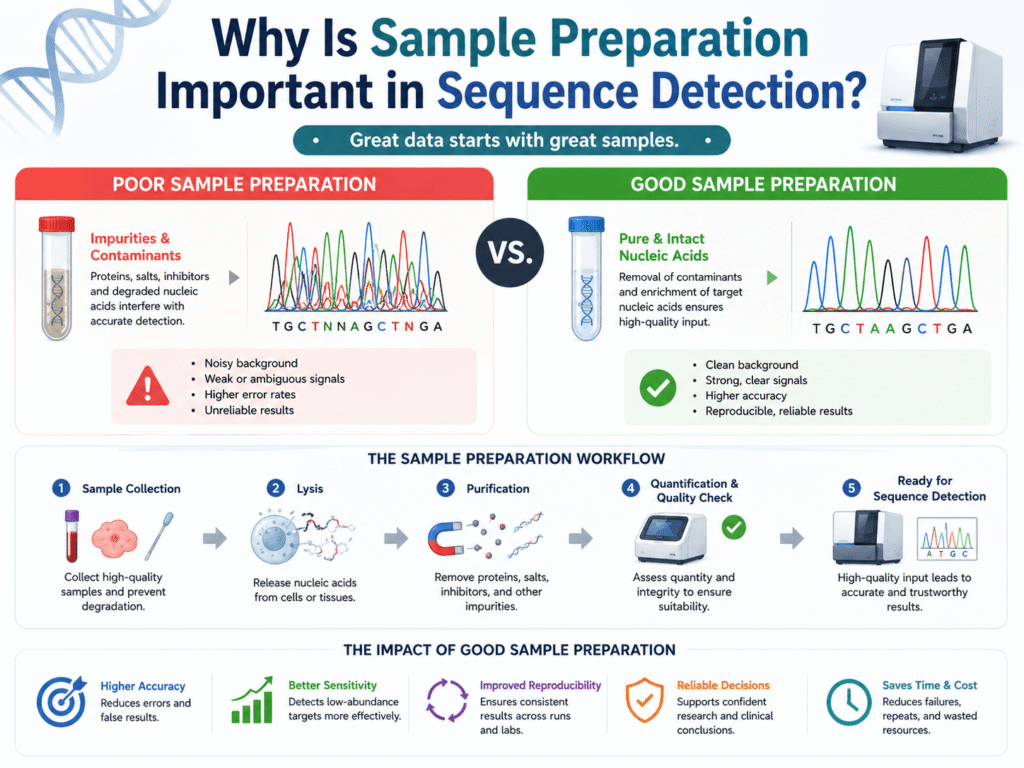
Why Is Sample Preparation Important in Sequence Detection?

Why Is Sample Preparation Important in Sequence Detection? Sample preparation is important in sequence detection because even the best instrument can only read what the sample allows it to read. If the specimen is poorly collected, degraded, contaminated, diluted, or full of PCR inhibitors, the final result can become weak, unclear, false-negative, or misleading. Sample

Why Is Sample Preparation Important in Sequence Detection? Read More »

Difference Between SYBR Green and TaqMan

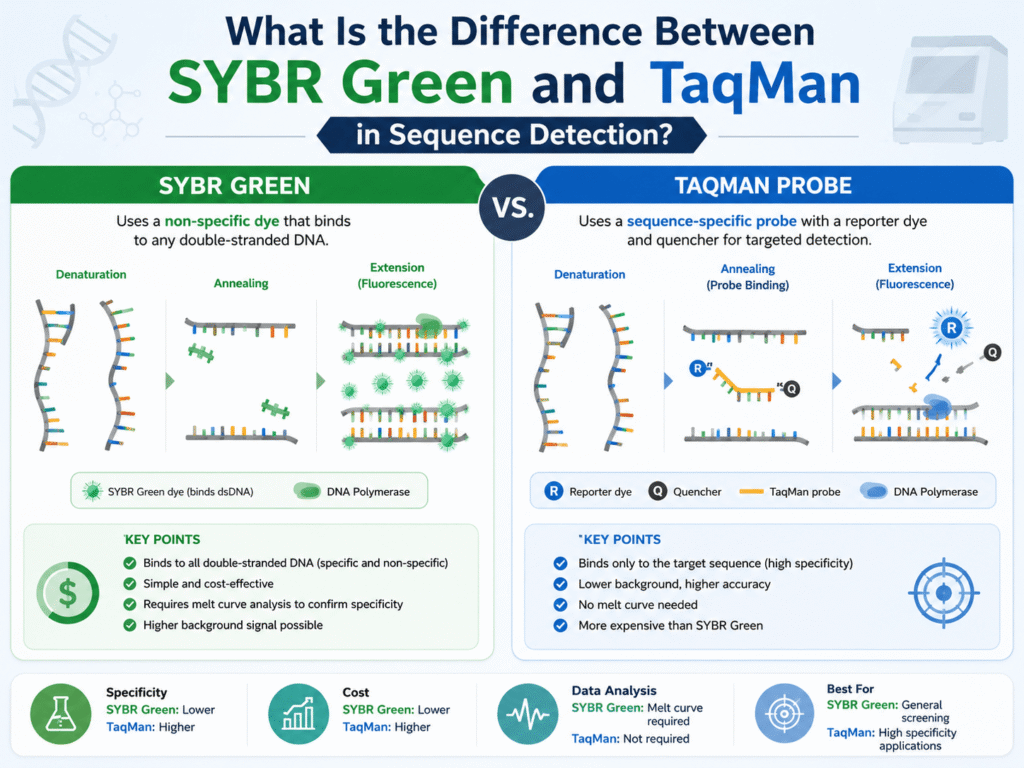
What Is the Difference Between SYBR Green and TaqMan in Sequence Detection?

Difference Between SYBR Green and TaqMan SYBR Green and TaqMan are two common fluorescence-based methods used in sequence detection, mainly in real-time PCR and qPCR. The short answer is simple: SYBR Green detects any double-stranded DNA that forms during amplification, while TaqMan detects a specific target sequence through a labeled probe. That one difference changes

What Is the Difference Between SYBR Green and TaqMan in Sequence Detection? Read More »

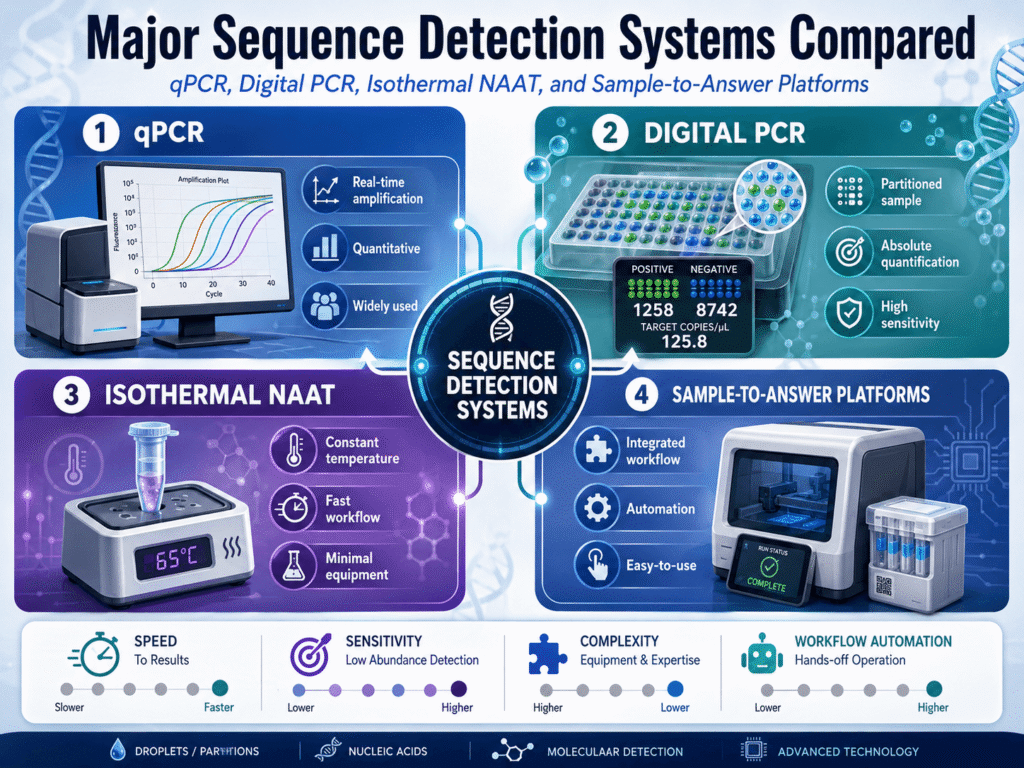
comparison between different sequence detection systems

Major Sequence Detection Systems: qPCR, Digital PCR, Isothermal NAAT, and Sample-to-Answer Platforms Compared

Major Sequence Detection Systems: qPCR, Digital PCR, Isothermal NAAT, and Sample-to-Answer Platforms Compared Sequence detection systems are not all built for the same kind of answer. A research qPCR machine may be perfect for measuring gene expression across 96 wells, while a digital PCR system may be better for rare variant detection. A cartridge-based clinical

Major Sequence Detection Systems: qPCR, Digital PCR, Isothermal NAAT, and Sample-to-Answer Platforms Compared Read More »

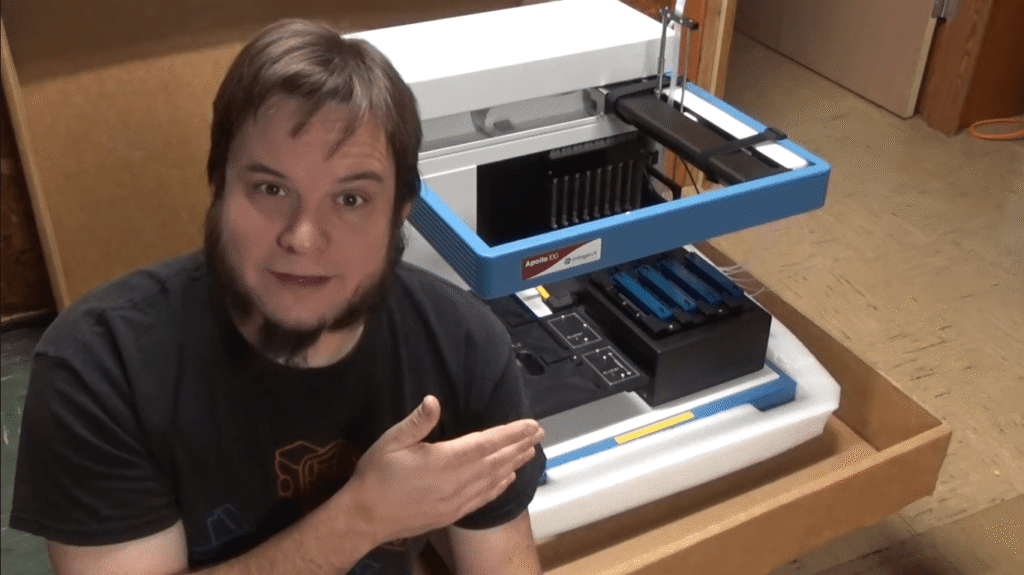
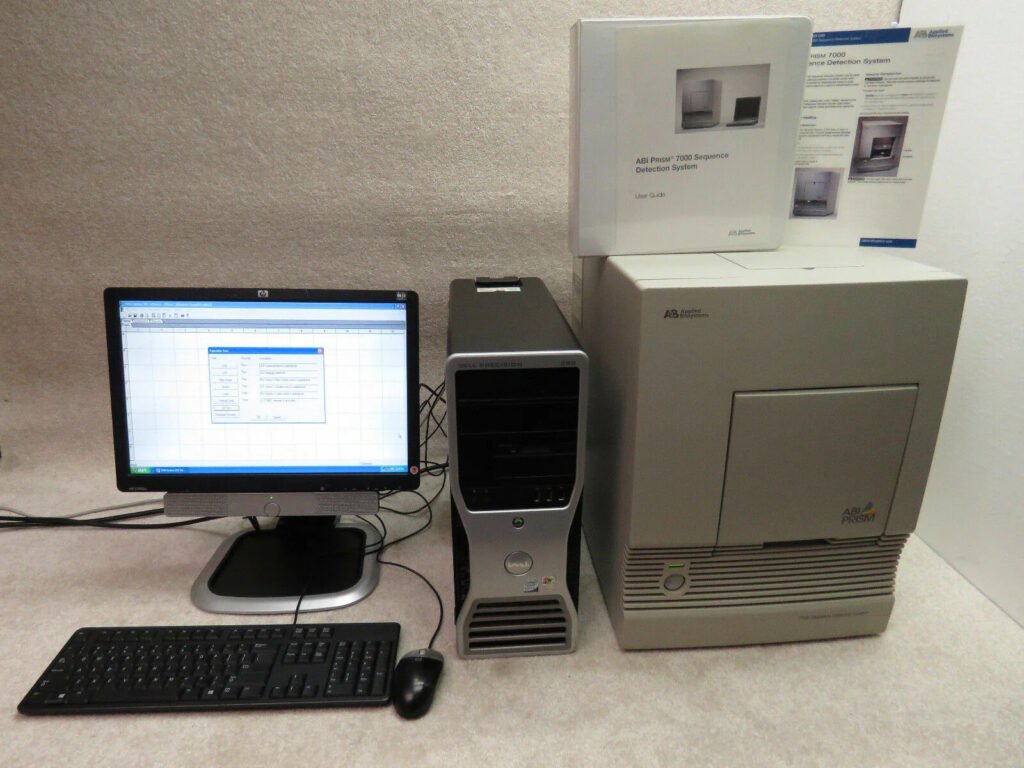
sequence detection system

What Is the Limit of Detection in a Sequence Detection System?

What Is the Limit of Detection in a Sequence Detection System? The limit of detection in a sequence detection system is the lowest amount of target DNA or RNA that the system can detect with reliable confidence. In simple words, it answers one nervous question: “How little genetic material can this test find before the

What Is the Limit of Detection in a Sequence Detection System? Read More »

How Do Labs Validate a Sequence Detection Assay

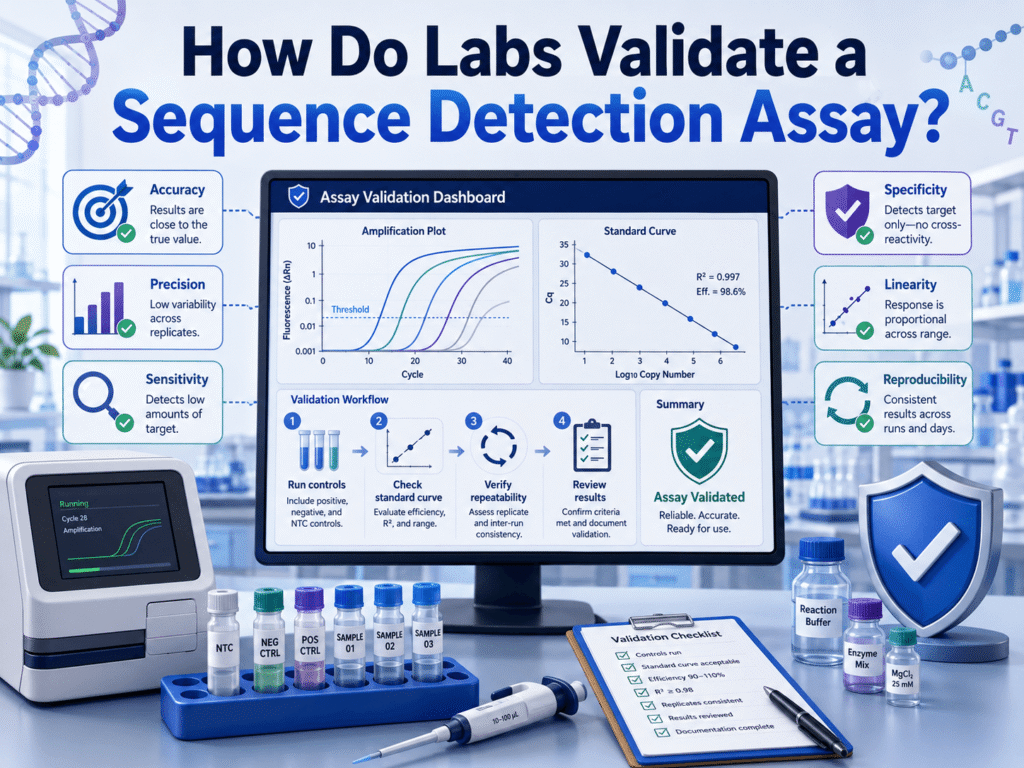
How Do Labs Validate a Sequence Detection Assay?

How Do Labs Validate a Sequence Detection Assay? A lab validates a sequence detection assay by proving, with planned experiments, that the test can find the right DNA or RNA target in the right sample type, at the claimed detection limit, without giving too many false positives or false negatives. Validation checks accuracy, precision, analytical

How Do Labs Validate a Sequence Detection Assay? Read More »

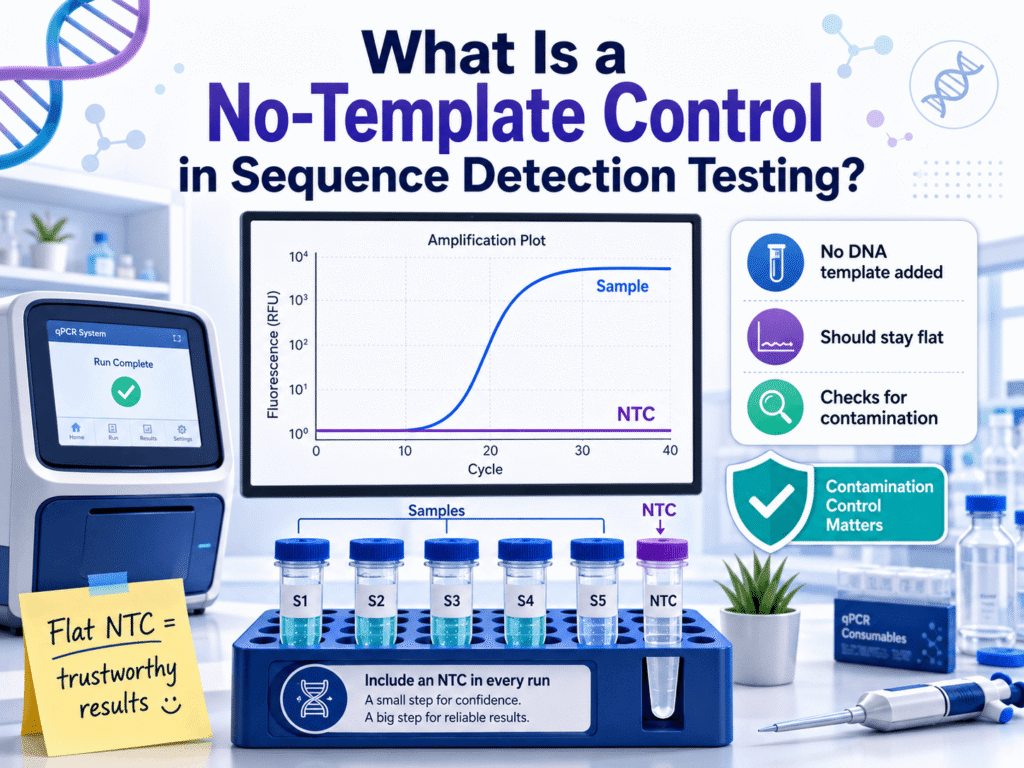
What Is a No-Template Control in Sequence Detection Testing

What Is a No-Template Control in Sequence Detection Testing?

What Is a No-Template Control in Sequence Detection Testing? A no-template control in sequence detection testing is a blank test reaction that contains every testing ingredient except the DNA or RNA sample being checked. Its job is simple: prove that a positive signal came from the real sample, not from contaminated reagents, carryover DNA, primer-dimers,

What Is a No-Template Control in Sequence Detection Testing? Read More »